

WE ARE HORSES
Help
Join
Log in
Hästannons.sehastannons.se
ads
HorsesBreeding marketRidersEquipmentStable & feedDogBargainsHorse transportProperties & farmsServices
Explore
Contracts & purchase agreementsGuidesGiveawaysHorse welfareHorse insuranceGet Freja eIDBTB StudBookkeeping PremiumStable scheduleCourse builderOld Molly – BreedingBreedersHorse photographersEqu used – second hand
Stable profilesStable booksweden map
Create ad
Hästannons.se
Hästannons.sehastannons.se

Sweden's best digital place for horse life! Advertise for free — simple and secure.

Marketplace

  • Create ad
  • Buy a horse
  • Riders
  • Equipment
  • Stable & feed
  • Bargains
  • Brands
  • Horse services
  • Properties & farms

Information

  • Guides
  • Horse insurance
  • Secure deal with Hästannons
  • Get Freja eID
  • Giveaways
  • Horse welfare
  • Terms of use
  • Privacy policy
  • Delete account
  • Cookie policy

Hästannons.se

  • About us
  • Download the app
  • Advertise with us
  • Contact us

Follow us

  • Instagram
  • Facebook
Hämta Hästannons i App StoreLadda ned Hästannons på Google Play

© 2026 hastannons.se. All rights reserved

WeFlippedGroup.se

Cart

Your cart is empty

Browse the range and add products.

Browse ads →
Loading…
Amaretto Destiny's BTBAmaretto Destiny's BTB

Breeding

Old Molly – Breeding

Tools and insight from covering to foaling — linked to Stable book.

Amaretto Destiny's BTB

Gestation calculator

Enter the covering date to build a detailed timeline for your mare.

yyyy-mm-dd

The foal's journey

Enter the covering date above and the journey fills in with your dates.

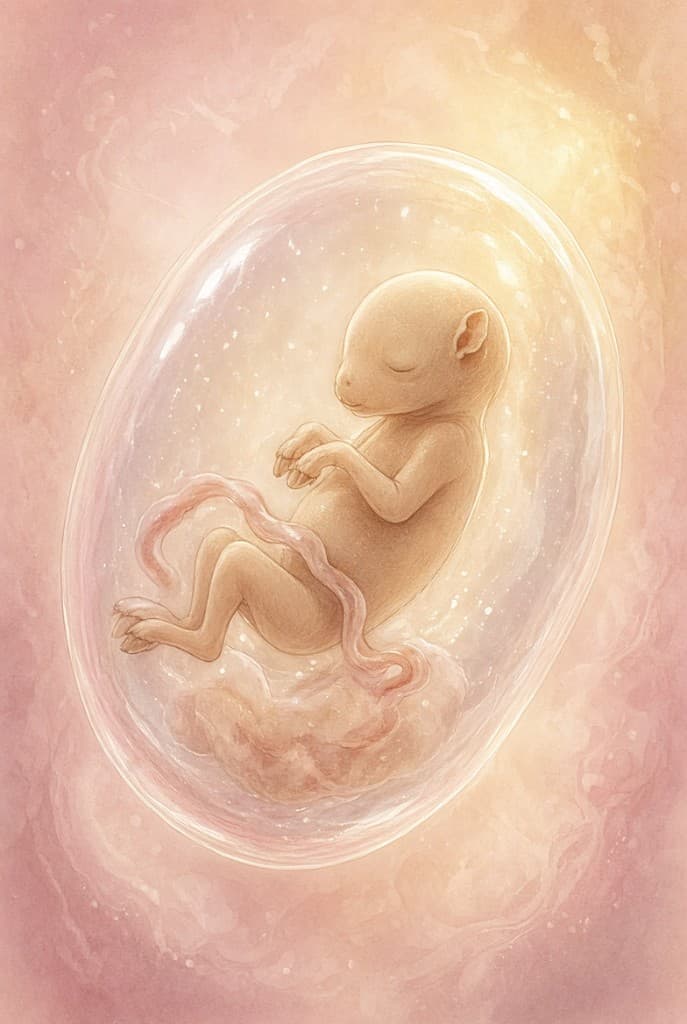
Illustration: Life begins

Chapter 1·Day 0–19

Life begins

A fertilised egg, smaller than a grain of sand, travels to the uterus and looks for its place.

  1. Day 0–6

    Conception & the journey to the uterus

    Pregnancy begins. The egg is fertilised in the oviduct and the embryo reaches the uterus after 5–6 days.

    Foetus size: about < 1 mm

  2. Day 14–17

    The embryo fixes & first scan

    The embryo fixes in the uterus. This is the best window for the first ultrasound to confirm pregnancy and catch twins (which should be dealt with at once).

  3. Day 16–19

    Recommended first check

    An important interval for catching problems early. The vet looks for uterine cysts that can be mistaken for the embryo.
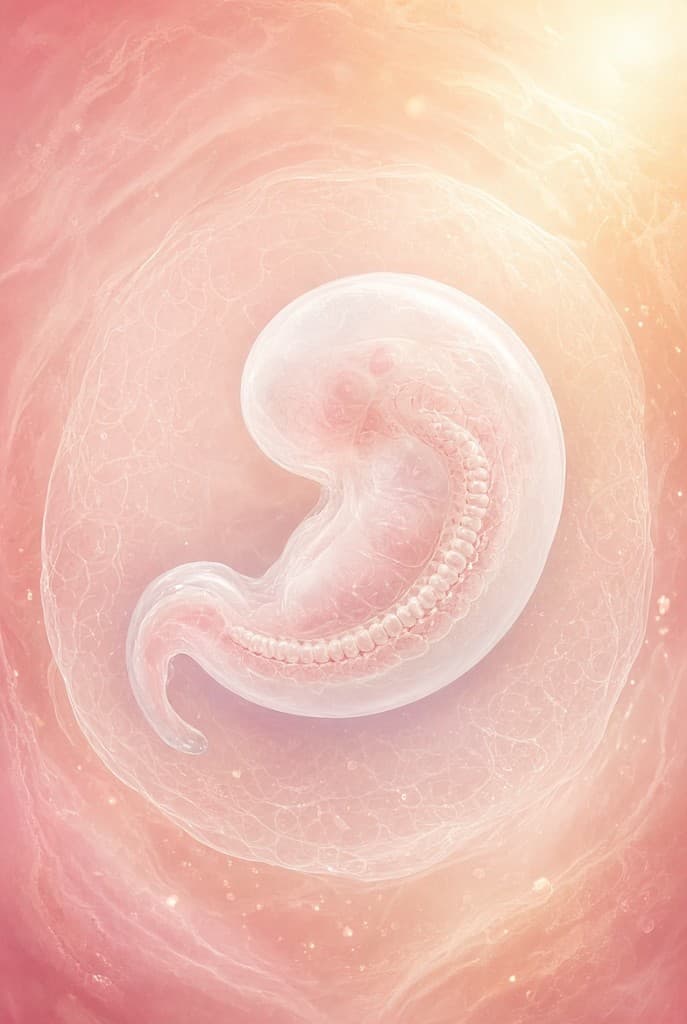
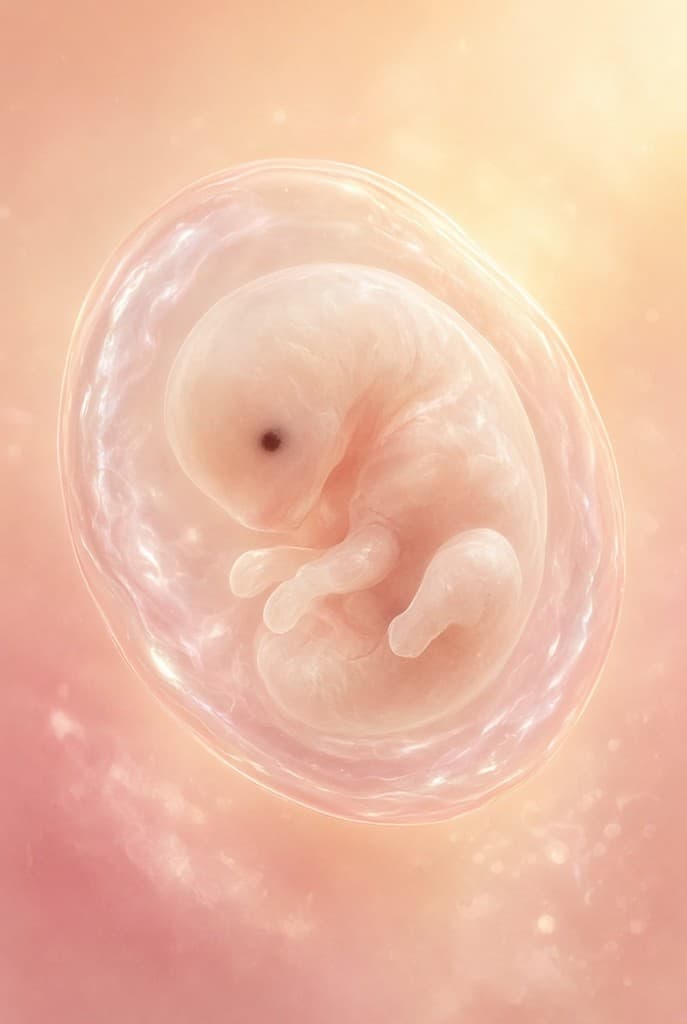
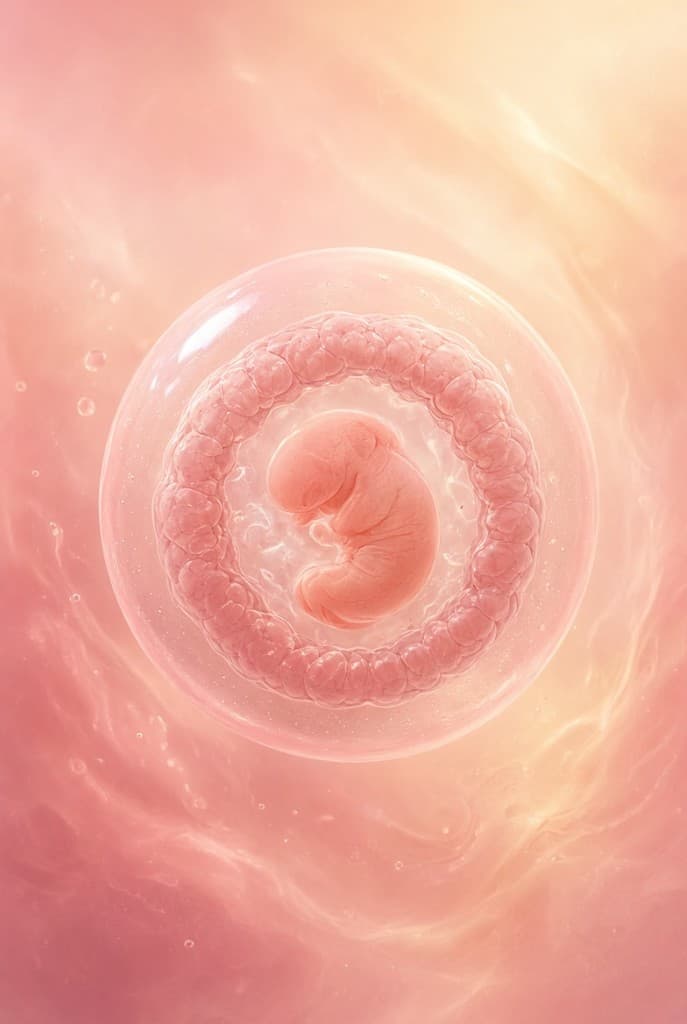
Illustration: Taking root

Chapter 2·Day 20–27

Taking root

The embryo has settled and the placenta begins to form, ready to nourish it for eleven months.

  1. Day 25

    The placenta starts to form

    Around day 25 the placenta begins to form so it can later nourish the foetus.

Illustration: A beating heart

Chapter 3·Day 28–39

A beating heart

A tiny, pulsing heart is now visible on the ultrasound. The embryo is about one centimetre long.

  1. Day 28–30

    Second pregnancy check

    Time for a follow-up scan to see that the embryo is developing and that the heart is beating.

    Foetus size: about 1 cm

  2. Day 35

    The umbilical cord forms

    The foetus attaches to the uterine wall. Nutrients and oxygen now pass directly through the blood.

  3. Day 36

    Endometrial cups form

    These produce the hormone eCG that helps maintain the pregnancy. It can be measured with a blood test (eCG test) between days 40–100.

Illustration: From embryo to foetus

Chapter 4·Day 40–89

From embryo to foetus

All major organs are in place and the most sensitive period is coming to an end.

  1. Day 40

    From embryo to foetus

    The little one is now called a foetus. All the major organs are laid down.

  2. Day 40–60

    Risk of early embryonic loss eases

    The most critical period is over, but stay alert. Stress and infection are common causes of problems.

    ImportantFoetus size: about 7 cm

Illustration: Tiny hooves

Chapter 5·Day 90–179

Tiny hooves

Hooves, ears and sex take shape. The foetus grows from the size of a palm to a small cat.

  1. Day 90

    Third pregnancy check & the hooves

    A recommended check. The hooves start to show on the foetus. It is now safe to take out foetal insurance.

  2. Day 100–300

    Oestrone sulphate test possible

    A very reliable blood test. A positive result means the foetus is alive.

  3. Day 120

    Sex organs visible

    You can often tell whether it will be a filly or a colt (with a skilled vet and scanner). The foetus is about the size of a small cat.

    Foetus size: about 20 cm

  4. Day 150

    Risk of abortion

    After day 150, loss of the foetus is called abortion. About 2–5% are affected. Watch for premature udder development.

    Important

Illustration: The big growth

Chapter 6·Day 180–329

The big growth

The coat appears, and almost all growth happens in the final months. The mare needs more energy and protein.

  1. Day 180

    Halfway!

    The foetus grows steadily. Keep up normal hoof care and sensible exercise.

    Foetus size: about 60 cm

  2. Day 210

    Virus abortion (EHV-1) vaccination?

    Many vaccinate in months 5, 7 and 9. Check with your vet what applies to you.

  3. Day 240

    The big growth spurt is near

    The foetus is now about 80 cm long.

    Foetus size: about 80 cm

  4. Day 270

    Increase the feed!

    The greatest growth happens in the last four months. Raise energy and especially protein to avoid muscle loss in the mare and weak foals.

  5. Day 300

    About one month to go

    The foetus is now large, about 120 cm. Start preparing the box, add straw and check cameras.

    Foetus size: about 120 cm

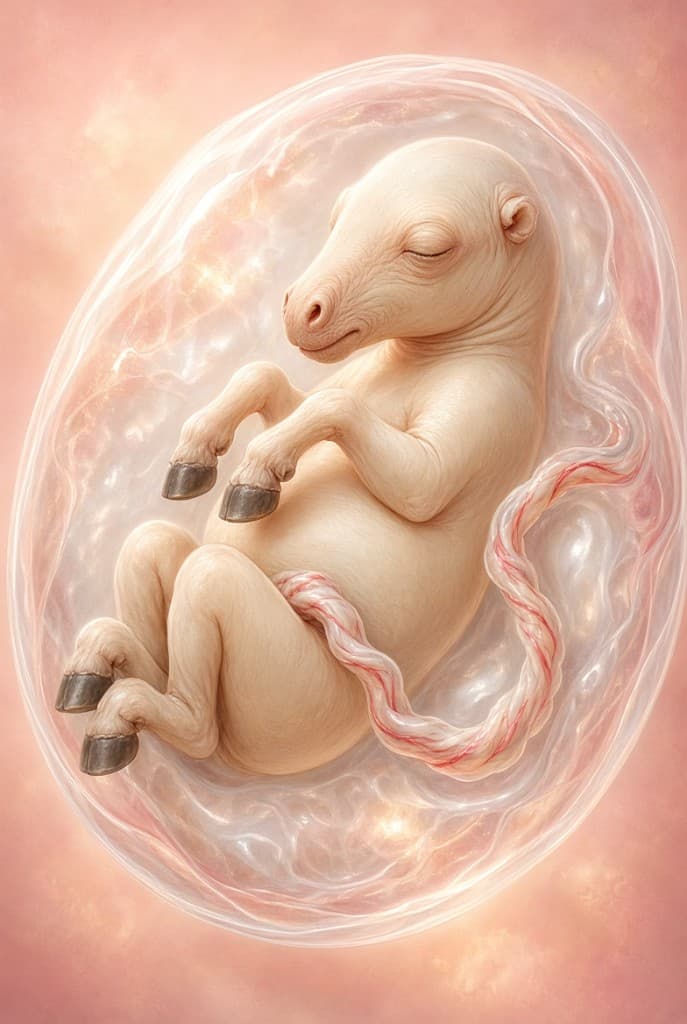
Illustration: Welcome to the world

Chapter 7·Day 330–345

Welcome to the world

Most mares foal between day 330 and 345. The foal is often on its own legs within an hour.

  1. Day 330

    Foaling time

    Most mares foal between days 330 and 345. The foal is now about 150 cm (nose to tail) and ready to meet the world!

    Foetus size: about 150 cm