
How to sell your horse safely, and to the right buyer: professional photographs and video, an honest advert that still sells, a fair price, well-run viewings and a decent contract. The complete guide if you are selling a horse.
A good horse sale is not a matter of luck. It is a matter of preparation. The right photographs and film decide whether a buyer even opens your advert – and an honest, clear presentation decides whether the right buyer gets in touch. Here we walk through the whole journey, from preparation and photography through to viewing, contract and handover.
Before you publish the advert, decide who the horse actually suits – and be honest about level, temperament and intended use. Market a horse to the wrong buyer and you waste viewings and disappoint people who were never going to be a match. The clearer you are, the sooner you find the right home.
Get the paperwork in order before you start. It builds trust and makes the deal straightforward once the right buyer appears.
Photographs are what a buyer judges first – and often the only thing they see before deciding whether to get in touch. A sharp, well-lit, honest picture can be the difference between silence and twenty genuine enquiries. You do not need an expensive camera; a recent phone in decent light will take you a long way, provided you get the basics right.
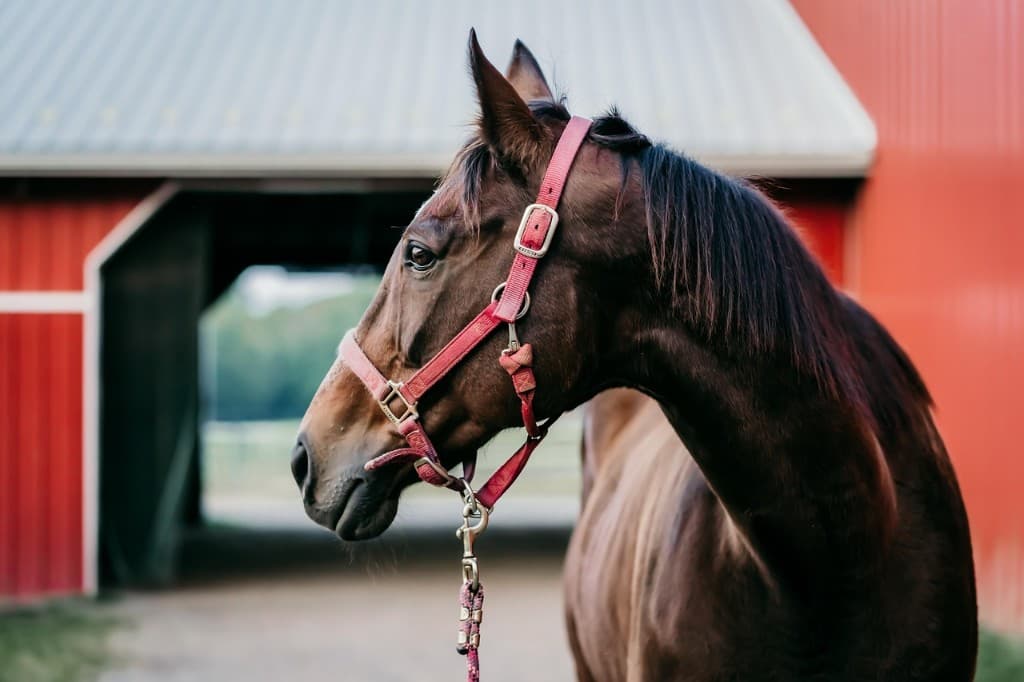
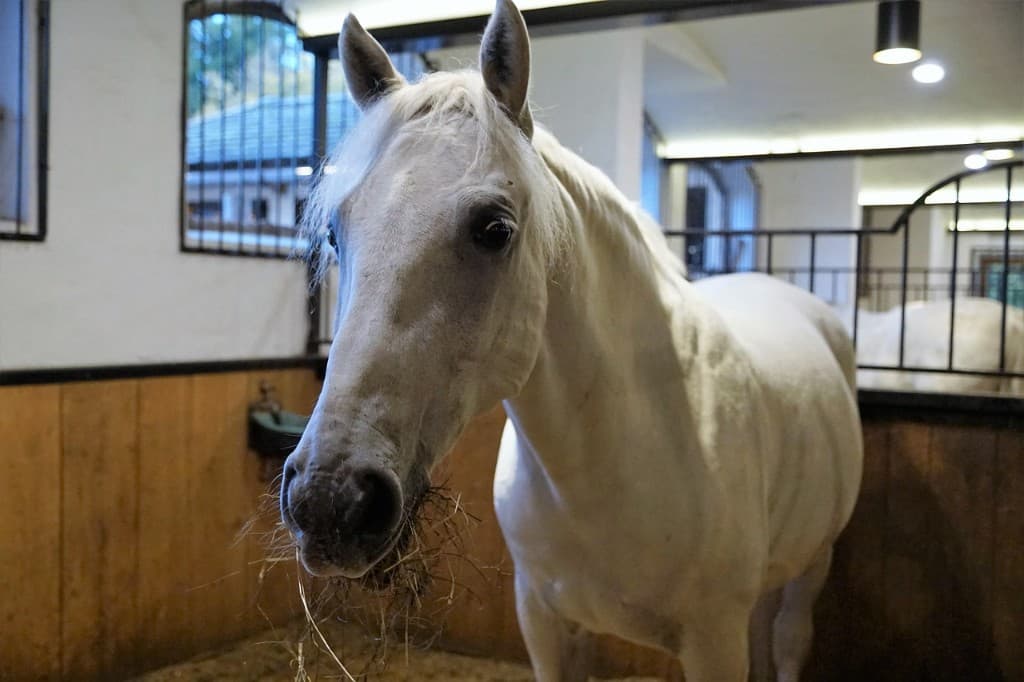
Shoot in soft daylight – early morning or late afternoon gives the loveliest light. Avoid harsh midday sun, which throws hard shadows, and dark stables, where the horse turns grey and the detail disappears. Keep the sun behind you as photographer so the horse is evenly lit.
Choose a calm, tidy backdrop – a mown paddock, an arena or a plain wall. Clear away wheelbarrows, buckets, cables and anyone lingering in the background. Level, firm footing lets the horse stand up correctly and shows conformation fairly.
Brush the horse clean, lay the mane to the correct side and pick out the hooves. Photograph the horse stood square in profile from the side, with the legs visible (not covering one another). Take pictures from both sides, from the front and from behind, plus close-ups of the head, legs and hooves. It helps to have someone holding the horse so the ears are pricked and the expression is alert.
Moving pictures are almost a requirement now, especially for buyers travelling a long way. A good film weeds out prospects who would never have been a match and draws in those who genuinely are. Film in landscape (16:9), keep the phone steady or use a tripod, and shoot from far enough away that the whole movement stays in frame.
The headline and the first few lines decide whether anyone reads on. Be specific: breed, sex, age, height at the withers, level and intended use should be clear at once. Then describe the horse's personality, strengths and what it needs in order to thrive. Concrete details build more trust than superlatives.
The price should reflect the horse's age, schooling, record, health and conformation – and what the market looks like right now. Look at comparable horses for sale, be realistic, and pitch neither unreasonably high (the calls will dry up) nor unnecessarily low (you signal that something is wrong).
A calm, well-organised viewing makes a real difference. Have the horse ready, clean and settled in good time. Show the whole handling first if you can – bringing in from the field, saddling, warming up – before the buyer rides. Be present, be honest, and do not let the buyer feel rushed.
Always write a purchase contract, even when you sell to someone you know. A clear agreement protects both parties and prevents disputes. Set out the price, payment, takeover, the horse's condition and what is included.
Aim for 8–12 well-chosen pictures that show the horse from several angles (profile from both sides, front, rear, head and details), plus at least one film clip with all three gaits. Take plenty of photographs and pick the best – bright, sharp, honest pictures bring the most serious enquiries.
You may adjust the light, crop and straighten the picture, but you must never retouch away conformational faults, scars or blemishes. Misleading pictures lead to people walking away at the viewing and can, at worst, become the basis of a dispute. Honest pictures attract the right buyer.
Yes – always write a contract, even when you sell to friends. The agreement should cover price, payment, takeover, the horse's condition, what is included and any conditions such as a satisfactory vetting. A clear contract protects both seller and buyer and prevents disputes.
Yes. As a seller you have a duty of disclosure for faults and shortcomings you already know about. Hiding a known injury, illness or vice can lead to the purchase being cancelled or to you being liable for compensation. Always be honest – it is the safest course both legally and for the horse.
Yes. It is common, and something you should welcome. A pre-purchase examination gives the buyer confidence and strengthens the deal if the horse is sound. Agree in advance who pays for the vetting and where it will take place.
Age, level of schooling, documented results, health, temperament, conformation and breed – together with how the market looks. Compare with similar horses for sale and set a realistic price you can justify with facts.