
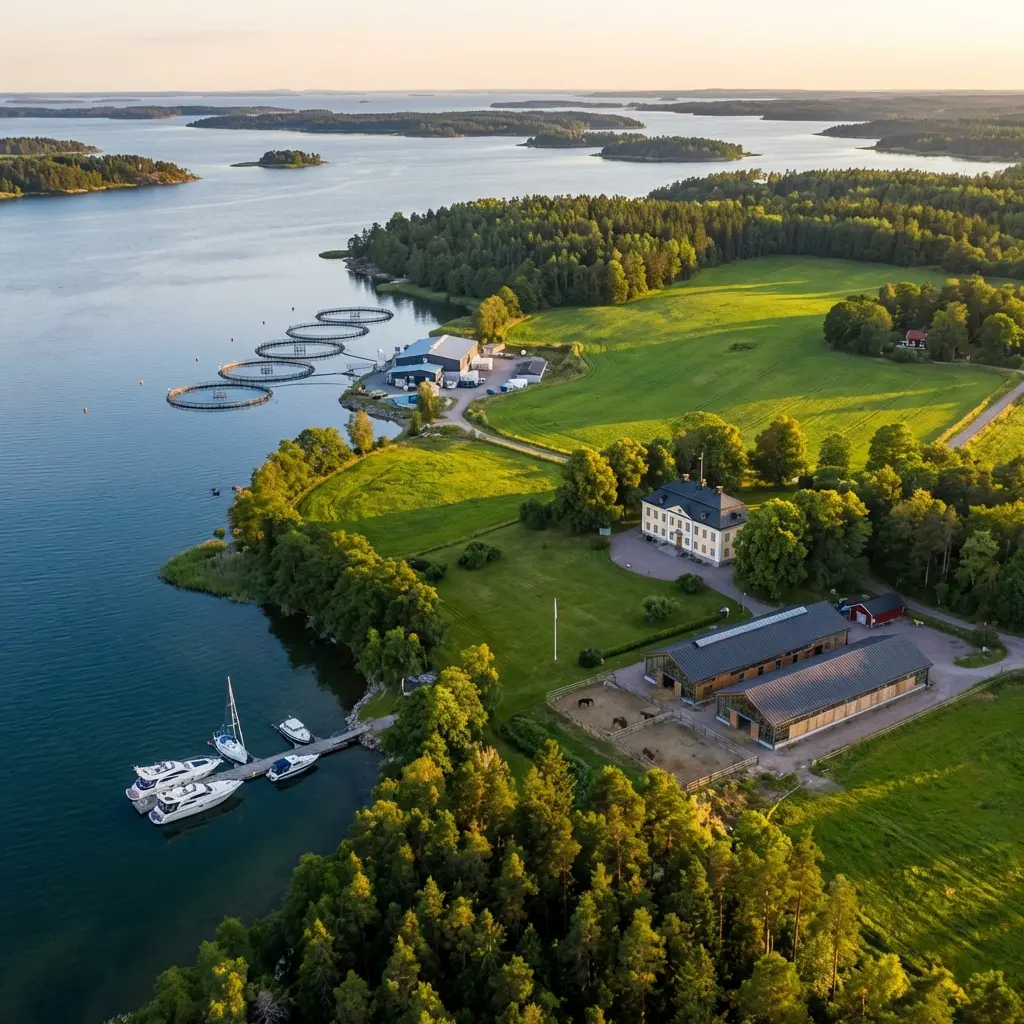
How to buy the right horse property: judge the land, stables, grazing and buildings, check planning permission and permits, cost the day-to-day running, and have a proper survey done before you sign.
The dream of a horse property of your own runs deep – but a yard is a home, a workplace and an investment all at once. Somewhere that looks perfect in the photographs can still lack what makes keeping horses practical and lawful. Here is what to look at before you bid, so the place you fall for actually works in everyday life.
Location matters more than almost anything else: how close you are to a vet, farrier, feed merchant, hacking and, if it counts for you, competition venues. The land decides how many horses the place can carry and how much forage you can make yourself. Walk the property in different weather if you can – wet patches and poor drainage show themselves after rain.
Look at the stables with a critical eye. Box sizes, ceiling height, ventilation, electrics, water and fire safety are expensive to put right later. A stable that fails the requirements of Jordbruksverket (the Swedish Board of Agriculture) may need rebuilding before it can be used.
Keeping horses falls under miljöbalken (the Environmental Code). Manure must be stored on a sealed pad so that leachate cannot reach soil or water, and the storage capacity you need depends on the number of livestock units, the region and whether the farm sits in a nitrate-vulnerable zone. In sensitive areas – including Skåne, Halland, Blekinge, Öland, Gotland and certain coastal stretches – storage for eight months is usually required. Always confirm the exact rules with the municipality.
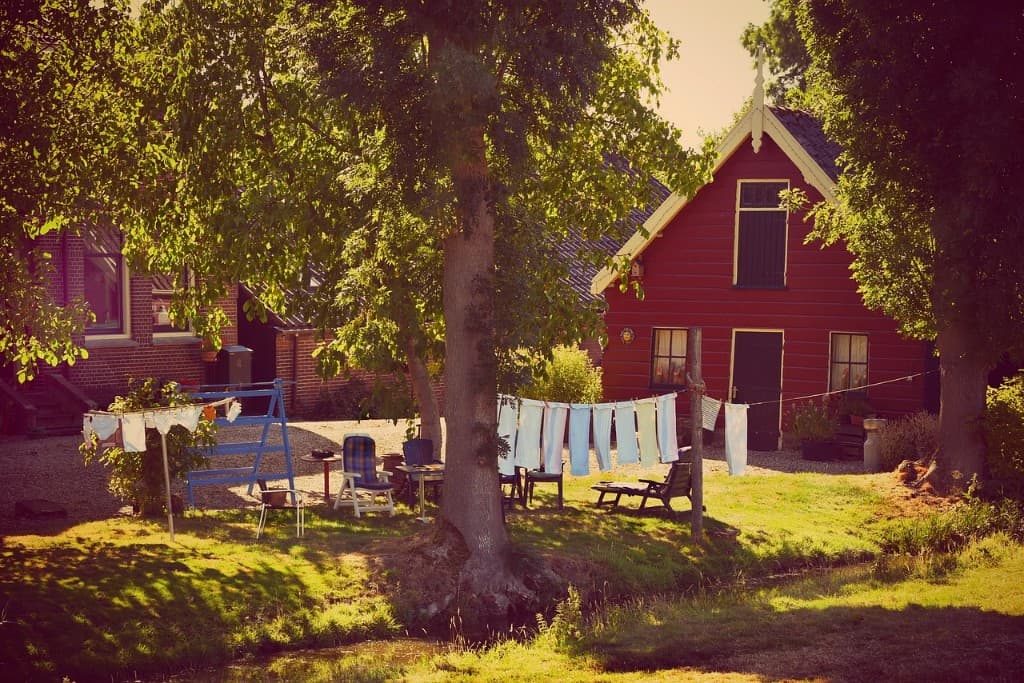
A horse property costs money to own even when everything is working. Draw up a realistic running-cost budget before you bid, so the place pays its way – whether you keep your own horses or take in liveries.
Instruct an independent surveyor for the buildings, just as you would for any other house purchase – and, if you can, bring in someone who can judge the stables and the land. Have the purchase contract drawn up by an estate agent or solicitor, and make sure every permit transfers with the sale.
There is no statutory figure, but a common rule of thumb is about half a hectare to one hectare of grazing per horse if the pasture is to last and stay in good heart. The need varies with the quality of the ground, how you rotate the grazing and whether you make up with bought-in forage. Always weigh the number of horses against the acreage and the scope for rotational grazing.
Check planning permission and completion certificates for the existing buildings, any local development plan or area regulations, and shoreline protection. Ask specifically whether the buildings you have in mind (an indoor arena, for example) need planning permission – a standalone equine business is usually not treated as an agricultural building exempt from planning. Also check the manure-storage rules and other environmental requirements based on how many horses you will keep and whether the property sits in a nitrate-vulnerable zone.
Yes. Instruct an independent surveyor for the house and farm buildings, and if you can add someone who can assess the stables, land and facilities. Check the water and drainage as well, especially if there is a private well.
Mortgage and interest, heating, electricity, water, insurance, upkeep of buildings and fencing, machinery, feed, bedding and manure handling. Draw up a realistic running-cost budget before you buy, and leave a margin for unexpected repairs.