
WE ARE HORSES
Help
Join
Log in
Hästannons.sehastannons.se
ads
HorsesBreeding marketRidersEquipmentStable & feedDogBargainsHorse transportProperties & farmsServices
Explore
Contracts & purchase agreementsGuidesGiveawaysHorse welfareHorse insuranceGet Freja eIDBTB StudBookkeeping PremiumStable scheduleCourse builderOld Molly – BreedingBreedersHorse photographersEqu used – second hand
Stable profilesStable booksweden map
Create ad
Hästannons.se
Hästannons.sehastannons.se

Sweden's best digital place for horse life! Advertise for free — simple and secure.

Marketplace

  • Create ad
  • Buy a horse
  • Riders
  • Equipment
  • Stable & feed
  • Bargains
  • Brands
  • Horse services
  • Properties & farms

Information

  • Guides
  • Horse insurance
  • Secure deal with Hästannons
  • Get Freja eID
  • Giveaways
  • Horse welfare
  • Terms of use
  • Privacy policy
  • Delete account
  • Cookie policy

Hästannons.se

  • About us
  • Download the app
  • Advertise with us
  • Contact us

Follow us

  • Instagram
  • Facebook
Hämta Hästannons i App StoreLadda ned Hästannons på Google Play

© 2026 hastannons.se. All rights reserved

WeFlippedGroup.se

Cart

Your cart is empty

Browse the range and add products.

Browse ads →
Guides/Paddocks and pasture management
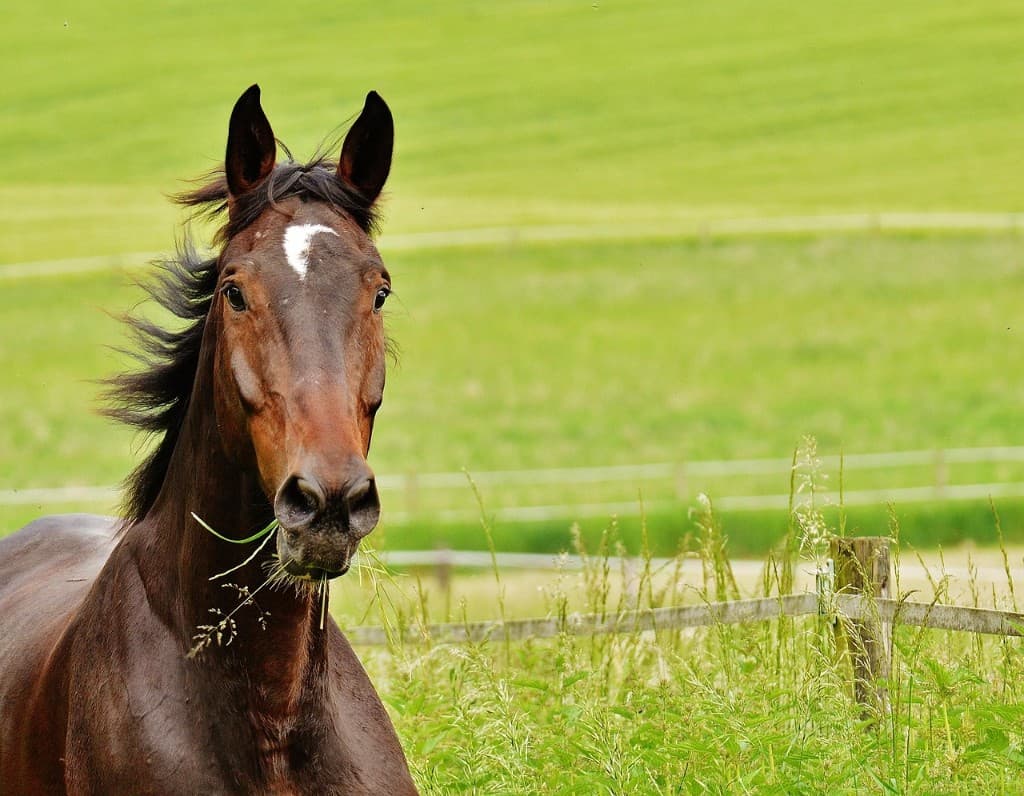
Brown horse on green summer pasture beside a wooden fence.
Guide · Paddocks & grazing

Paddocks and pasture management

How to look after paddocks and grazing so horses stay sound and the land lasts: rotational grazing, safe fencing, drainage, parasite control and sensible supplementation through the season.

8 min read·Updated July 2026

Well-kept paddocks mean healthier horses, lower forage bills and land that holds up year after year. Rest the grass, keep the fencing safe, and stay on top of parasites and extra feed. Here is how to plan and look after your paddocks through the year.

Rotational grazing

Splitting the grazing into several paddocks and moving the horses between them is the single most useful thing you can do for the land. The sward gets time to recover, the grass stays in growth, and parasite pressure drops. Overgrazed, poached ground takes a long time to put right.

Rotate with purpose
  • Divide the grazing into several paddocks and move the horses before the grass is eaten down
  • Let each paddock rest and recover between grazings
  • Top or harrow paddocks and pick up droppings regularly
  • Match the number of horses to what the land can carry

Safe fencing

Fencing should be well set, easy to see and keep the horse in without injuring it if it leans or pushes. Check it regularly, especially after storms and the spring thaw, and keep the wires taut.

Barbed wire is prohibited

Under the Swedish Board of Agriculture (Jordbruksverket) regulations (SJVFS 2019:17), fencing that includes barbed wire must not be used for horses. Electric fencing is permitted. Mesh fencing (sheep netting) is a poor choice because a horse can catch a leg in it – if you use it anyway, add an electric wire or a timber rail along the top.

  • Clearly visible, horse-safe fencing with taut wires
  • Electric fencing with adequate voltage and regular checks
  • Safe gates that open easily even with a horse beside you
  • Never barbed wire – and avoid sheep netting without a top rail

Drainage and high-wear areas

Wet, muddy paddocks wear both hooves and land. Gateways, feeding points and water troughs take the heaviest traffic. Harden those spots and get the water away so the paddock holds up through wet spells.

Protect the wet spots

Mud at gates and feeding points is both an injury risk and a breeding ground for mud fever and other hoof problems. Harden and drain the busiest surfaces – it pays back quickly in sounder horses and less damage to the land.

Parasite control

Pasture is the main infection route for gut worms. In Sweden all wormers have been prescription-only since 2007, and modern control is targeted and selective: you take a faecal sample and treat only the horses that are actually shedding. That slows resistance and keeps the herd healthier.

How to do it (according to SVA)
  • Take faecal samples in spring, ideally April–May, before turnout
  • Have the sample checked for large redworm and tapeworm
  • Worm only horses with a high egg count or confirmed infection
  • Poo-pick or spread dung in the paddocks regularly to cut infection pressure
  • With eight horses or more you can join SVA’s surveillance programme

Grazing, forage and the seasons

Turn horses out onto spring grass gradually to reduce the risk of laminitis and digestive upset, and watch for weight gain on lush summer grazing. When the grass runs short, the horse needs extra forage, and mineral supplements and fresh water should always be on offer.

The grazing season
  • Introduce spring grazing gradually to avoid laminitis
  • Restrict grazing for good doers and ponies
  • Top up with forage as the grass declines
  • Free access to fresh water and minerals
  • Check fencing, shade and windbreaks before the season starts

Frequently asked questions

How much grazing does a horse need?

There is no statutory figure, but a common rule of thumb is roughly half a hectare to one hectare of grazing per horse if the pasture is to last and be managed sustainably. The need varies with the quality of the land, how well you rotate, and how much forage you feed in addition. Always match the number of horses to what the acreage can carry.

Why should I use rotational grazing?

Rotational grazing lets each paddock rest and recover, keeps the grass growing and lowers parasite pressure. You get healthier horses, better grazing and land that lasts from year to year – unlike leaving the same ground grazed all season.

How should I handle worming?

All wormers have been prescription-only in Sweden since 2007. SVA recommends targeted, selective treatment: take faecal samples in spring (April–May), including checks for large redworm and tapeworm, and treat only the horses that are shedding. Routine worming of every horse drives resistance. Combine this with picking up droppings and rotating the grazing, and speak to your vet.

How do I avoid muddy, poached paddocks?

Harden and drain the busiest spots – gateways, feeding points and around water troughs. Rotate the grazing so the land can rest, and take water away from the high-wear areas. That cuts both damage to the ground and the risk of hoof problems such as mud fever.

Read on

Buying a horse property—Building a horse property—Stables and box sizes

Sources

  • SVA – Worming horses
  • Jordbruksverket – Horse care and stable environment
  • Jordbruksverket regulations on keeping horses (SJVFS 2019:17)